

Semantic Relevance in SEO: Why Entities Are Game-Changers
The role of entities in Search Engine Optimisation (SEO) has gained significant attention due to its impact on semantic relevance.
This article explores the concept and types of entities, their utilization in keyword research, benefits from entity optimization, and their importance in structured data.
A case study highlighting successful entity optimization and future trends will further elucidate these points.
Ultimately, this discourse aims to demonstrate why entities are considered game-changers in SEO’s dynamic landscape.
Key Takeaways
- Entity optimisation improves search visibility and the potential display of rich snippets and knowledge graphs.
- Incorporating structured data through entity optimisation provides additional context and signals to search engines, leading to improved search results.
- Optimising entities for relevant keywords and concepts attract targeted traffic and establishes your website as a credible source of information.
- Effective keyword research involves identifying primary keywords and their associated entities, which helps your website appear in search results that align with user intent.
Understanding the Concept of Entities in SEO
In the realm of Search Engine Optimisation (SEO), the concept of entities encompasses a wide range of elements, including people, organizations, locations, products, events and more. Their incorporation within content significantly establishes credibility for the associated website. These entities provide a rich source of data that search engines use to understand the context and deliver accurate results.
Semantic relevance in SEO plays a crucial role in enhancing visibility in search engine results pages (SERPs). The introduction of entity-based search models has revolutionised traditional keyword-focused strategies. By understanding and optimizing these entities, websites can align their content with user intent more accurately than ever before.
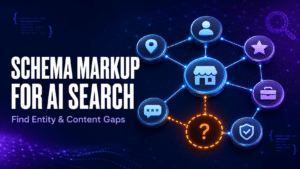
Entities act as semantic markers that signal to search engines about the type of information contained within an article or webpage. Through structured data markup, websites can explicitly inform search engines about the presence and relation between different entities in their content.
Conducting entity-based keyword research allows for a broader scope when developing SEO strategies. This approach ensures alignment with relevant topics and concepts related to primary keywords, attracting targeted traffic seeking specific information or services.
The Different Types of Entities in SEO
Diverse categories such as people, organisations, locations, products, and events are encompassed within the domain of optimisation types. These entities play a pivotal role in Search Engine Optimisation (SEO), enhancing relevance and visibility in search results. Varying types of entities offer diverse benefits to SEO strategies when effectively optimized.
People-based entities can be influential figures or common users who search for information online. Optimisation around people-based entities facilitates targeted engagement with specific user groups seeking particular data or services.
Organisational entities encapsulate businesses, institutions, non-profits etc., allowing the delineation of an authoritative digital presence aligned with their objectives and audience preferences.
Location-based entities cater to geographically focused SEO strategies, enabling high local visibility and improved regional reach.
Product-oriented entities facilitate e-commerce optimisation by aligning content with product-focused searches thereby driving conversions.
Event-centric entities support timely content creation related to upcoming occasions or important dates thus attracting relevant traffic.
Optimisation techniques for these entity types ensure website’s alignment with user intent while providing freedom for creative exploration within the confines of structured data requirements. It is critical to understand each type’s unique role in successful SEO implementation.
The Role of Entity-Based Keyword Research in SEO
Entity-based keyword research holds paramount importance in the realm of search engine optimization, as it closely aligns with user intent and aids in attracting highly targeted traffic. This strategy involves identifying primary keywords associated with specific entities— individuals, places, organizations or concepts. Incorporation of these entities within a website’s content establishes it as an authoritative and credible source of information.
Understanding related entities helps to broaden the scope of keyword strategy, further enhancing its efficacy. The creation of content that aligns accurately with user intent consequently ensures visibility in relevant search results. This approach not only attracts highly targeted traffic but also increases the likelihood of engagement with users seeking specific data or services.
Optimization for entities brings about increased visibility on various search platforms by providing additional context and signals to algorithmic processes. This increase in visibility can precipitate displays of rich snippets and knowledge graphs within search results, providing a significant competitive edge.
How to Benefit From Entity Optimisation in SEO
Optimizing for specific individuals, places, organizations, or concepts within website content can significantly enhance its visibility on search platforms and increase the likelihood of attracting organic traffic. In the realm of Search Engine Optimization (SEO), this practice is identified as Entity Optimization. An effective strategy involves leveraging entities to create relevance and context within a digital landscape cluttered with information.
- Entity optimization leads to improved semantic recognition by search engines, thereby enhancing overall SEO performance.
- The application of structured data helps in delineating clear meanings associated with entities, providing explicit signals to search engines.
- By incorporating relevant entities into content strategy, it becomes possible to align more closely with user intent and queries.
Further benefits materialize when an entity-centric approach is adopted in keyword research. This technique not only opens up new opportunities for appearing in targeted search results but also facilitates alignment with evolving SEO practices focused on understanding and matching user intent.
With a well-executed entity optimization strategy at hand, freedom from traditional constraints of SEO can be achieved while simultaneously increasing visibility and generating higher quality organic traffic.
The Impact of Semantic Relevance in SEO
In the context of search engine optimization, understanding and implementing the principles of lexical congruence can significantly impact a website’s visibility and overall digital performance. The integration of semantically relevant keywords into content not only enhances the user experience but also signals to search engines a high level of thematic relevance.
Emphasising semantic relevance in SEO strategy is a game-changer for several reasons. It aligns with recent shifts in algorithms employed by leading search engines that prioritize entity-based recognition and understanding over simple keyword matching. By focusing on entities that have semantic relevance to the primary content, websites are better positioned to match more accurately with users’ queries, thus increasing their potential for higher organic traffic.
Moreover, leveraging semantically-relevant entities within SEO tactics ensures an elevated degree of contextual accuracy which algorithms increasingly value. This approach effectively anticipates and caters to evolving user intent patterns in web searches.
Ultimately, attention to semantic relevance provides an invaluable avenue towards achieving digital freedom – it empowers websites to break free from outdated keyword stuffing practices while enhancing visibility, authority, and user engagement metrics.
Importance of Entities in Structured Data
Structured data, essential for enhancing search visibility, plays a crucial role in defining and contextualizing various types of entities to search engines. It provides explicit details about the content on a website, enabling search engines to understand and index it accurately. This optimization technique significantly influences how content is interpreted and displayed in search results.
The importance of entities within structured data becomes apparent when considering:
- Enhanced Search Visibility: Entities within structured data can lead to improved ranking in organic search results due to increased relevance and accuracy.
- Rich Snippets & Knowledge Graphs: Incorporating entities could result in the display of rich snippets or knowledge graphs, providing users with more detailed information at a glance.
- Contextual Understanding: Structured data helps in establishing relationships between different entities, offering context that aids search engines’ comprehension.
By integrating targeted keywords into the entity structure, websites can optimize their online presence efficiently. Furthermore, this approach is beneficial for audiences seeking freedom from ambiguous web searches as it offers precise information corresponding to user intent.
Thusly, incorporating entities into structured data forms an integral part of effective SEO strategy.
Case Study: Success Stories of Entity Optimisation
Case studies provide invaluable insights into the efficacious application of entity optimization strategies, illuminating their potential for enhancing search visibility and driving organic traffic. These analyses reveal how the integration of related entities within content aligns with user intent, resulting in improved search results. They also highlight the role of structured data in providing explicit information about entities to search engines.
One such study demonstrated a 33% increase in organic traffic within six months following an innovative entity optimisation strategy. This included comprehensive keyword research rooted in understanding primary keywords and associated entities, as well as focused content creation designed to satisfy specific user queries accurately.
Another investigation documented a significant boost in website visibility after implementing structured data markup techniques. This strategy led to the frequent display of rich snippets and knowledge graphs, further enhancing audience engagement.
These success stories underscore the transformative power of entity optimisation. Implementing these strategies offers freedom from obscurity by establishing a strong web presence that satisfies user intent with precision and relevance, thereby attracting targeted traffic while fostering authority within one’s industry.
Future Trends: Entity Optimisation and SEO
Emerging trends forecast an increasingly prominent role for entity optimization in search engine optimization strategies, with its potential to enhance website visibility and align content with user intent becoming more recognized. This is fueled by a shift from keyword-centric practices towards more sophisticated, semantic SEO techniques that prioritize understanding and fulfilling the context of user queries.
The focus on entities denotes a transformation in how data is understood and utilized. The following points indicate future trends:
- The interconnectedness of Entities: The relationships between entities will gain importance, highlighting the necessity for comprehensive content mapping.
- Enhanced User Personalization: Search engines are expected to provide more personalized results based on specific entity relevance to individual users.
- Greater Emphasis on Structured Data: Implementation of structured data will become crucial due to its ability to communicate detailed information about entities.
These shifts necessitate an adaptation in strategy – focusing not only on traditional keyword research but also identifying relevant entities related to those keywords. A combination of these elements can significantly improve search visibility, attract targeted traffic, and better satisfy user intent.
Freedom lies in this adaptive approach, which allows businesses the flexibility necessary for achieving their online goals amidst an ever-evolving digital landscape.
Conclusion
In conclusion, the strategic utilisation of entities in SEO significantly enhances semantic relevance and search visibility. Incorporating entity optimization into an SEO strategy has been shown to increase user engagement, align with user intent, and boost conversion rates.
This data-driven approach is fundamental in effective keyword research, attracting targeted traffic, and establishing credibility. As the digital landscape evolves, entity optimization will continue to be a game-changer in the realm of SEO.

Chris Giles Snr built his first client website in 1995 and has remained at the leading edge of web development and SEO ever since. He is a Fellow of The Chartered Institute of Marketing (FCIM).